There are flooring trends that arrive like fireworks and disappear just as quickly. Then there is travertine. Quietly confident. Sun-baked. Endlessly adaptable. The kind of material that has survived Roman bathhouses, Mediterranean villas, modern coastal homes, boutique hotels, and backyard renovations without ever looking like yesterday’s experiment.
Among all varieties, Turkish travertine continues to stand out as one of the most practical and economical flooring options for both interiors and outdoor spaces.
Not “cheap.” Economical in the true sense of the word: long-lasting value, timeless appearance, low maintenance, and design flexibility that keeps paying dividends year after year.
What Makes Turkish Travertine Different?
Turkey is one of the world’s largest and most respected producers of natural travertine stone. Turkish quarries are known for producing travertine with consistent quality, rich natural tones, and reliable structural strength.
The result is a stone that feels luxurious without carrying the extreme price tag often associated with premium imported materials.
Popular shades include:
Ivory
Beige
Silver
Walnut
Classic cream tones
These colours work almost anywhere. Coastal homes. Federation-style renovations. Contemporary builds. Resort-inspired backyards. Minimalist interiors. Travertine rarely argues with the architecture around it.
A Flooring Choice That Works Indoors and Outdoors
One of the biggest advantages of Turkish travertine is versatility.
Many flooring materials force homeowners into separate decisions:
One tile for indoors
Another for patios
Another for pool surrounds
Travertine creates continuity.
Using the same stone from the living area to the alfresco space creates a seamless visual flow that instantly makes a property feel larger and more cohesive.
It is the architectural equivalent of opening double doors and letting the house exhale.
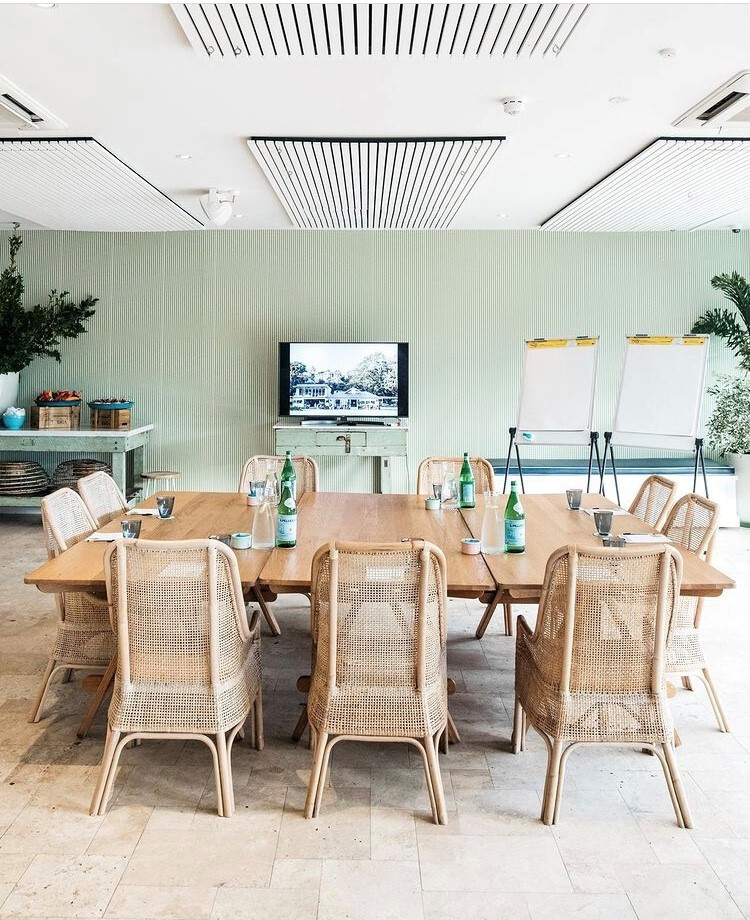
Indoors, Travertine Offers:
Natural warmth underfoot
Soft, earthy colour palettes
A timeless luxury appearance
Excellent compatibility with underfloor heating
Travertine works beautifully with underfloor heating systems because natural stone conducts and retains heat efficiently. The result is a gentle, even warmth throughout the space that feels comfortable underfoot during colder months while still maintaining the natural elegance of stone flooring.
Unlike some flooring materials that insulate against heat transfer, travertine allows underfloor heating systems to operate effectively and efficiently.
Compatibility with underfloor heating
Excellent pairing with timber, concrete, and neutral interiors
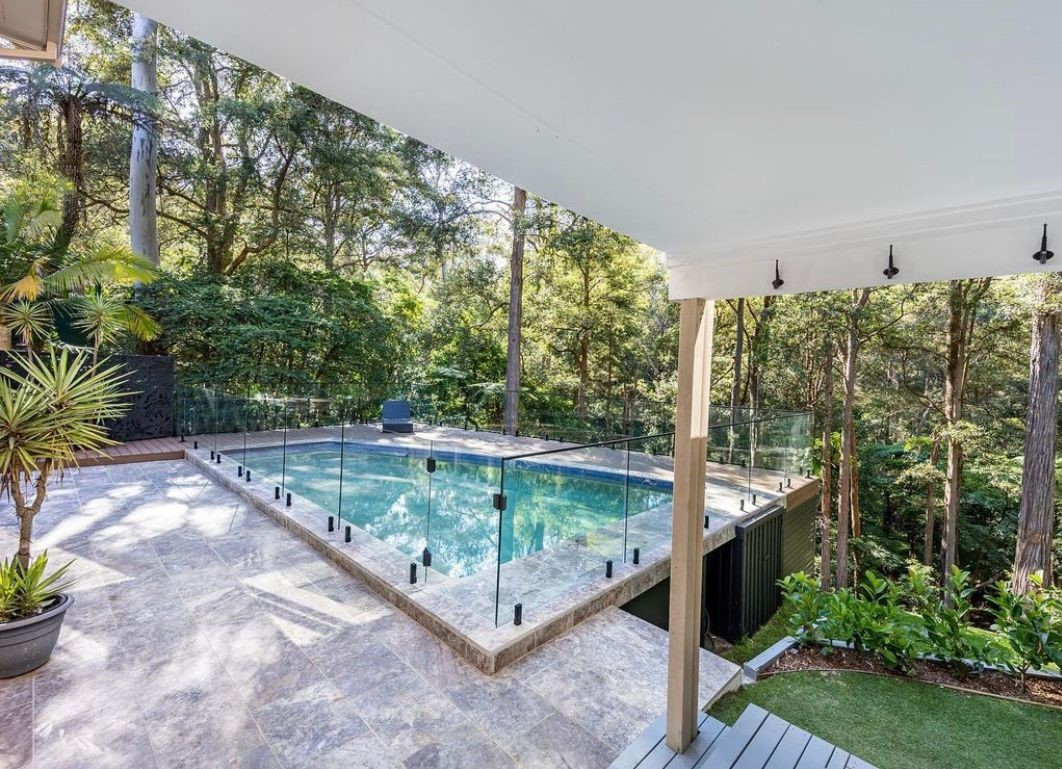
Outdoors, Travertine Excels Because It Is:
Naturally slip resistant when finished correctly
Cooler underfoot than many dark pavers
Durable in Australian conditions
Suitable for patios, pathways, courtyards, and pool surrounds
Especially in climates with strong summer heat, travertine performs beautifully because it reflects heat more effectively than many synthetic materials.
Bare feet appreciate this immediately.
Why Travertine Still Makes Financial Sense
Flooring is not only about installation cost. It is about lifespan.
Many budget flooring products appear attractive initially but require replacement within years due to fading, warping, lifting, or trend fatigue.
Travertine survives trends.
That matters financially.
A material that still looks relevant twenty years later is often significantly cheaper over time than replacing fashionable surfaces every decade.
1. Long-Term Durability
Properly sealed and installed Turkish travertine can last for decades.
Natural stone ages gracefully. Minor wear often enhances character rather than diminishing it.
Unlike laminate or vinyl, travertine does not try to imitate authenticity. It already is authentic.
2. Adds Property Appeal
Natural stone flooring consistently appeals to buyers because it communicates permanence and quality.
Even modest homes gain a more refined architectural feel when travertine is used thoughtfully.
For homeowners considering resale value, this can be a worthwhile investment.
3. Lower Replacement Costs Over Time
Replacing worn synthetic flooring repeatedly can become surprisingly expensive.
Travertine reduces that cycle.
When maintained properly, it often outlasts many alternative flooring products by a considerable margin.
4. Wide Availability Keeps Pricing Competitive
Because Turkish travertine is produced and exported in large quantities globally, it remains relatively accessible compared with rarer natural stones.
That balance between premium appearance and attainable pricing is one of the reasons designers and builders continue returning to it.
The Timeless Design Advantage
Some flooring styles trap a home inside a specific decade.
Travertine avoids this problem.
Its natural variation and neutral colouring make it remarkably adaptable across changing design trends.
It works equally well with:
Soft Mediterranean styling
Modern Australian architecture
Rustic farmhouse aesthetics
Luxury minimalist interiors
Heritage-inspired homes
This flexibility means homeowners can renovate furniture, paint colours, cabinetry, or landscaping later without needing to replace the flooring.
Travertine acts like a calm foundation beneath evolving design choices.
Common Concerns About Travertine“Isn’t natural stone high maintenance?”
Modern sealers have made maintenance significantly easier than many people assume and a good quality sealer will last for years before it needs reapplying.
Routine sweeping and occasional mopping are generally enough for day-to-day care.
Periodic resealing helps protect the stone and preserve its appearance.
“Will it date?”
Travertine has already survived thousands of years of architecture.
That is a fairly convincing résumé.
While colours and finishes evolve slightly over time, natural stone tends to remain visually relevant far longer than trend-driven manufactured flooring.
“Is it too expensive?”
Compared with ultra-budget flooring, initial costs may be higher.
But compared with premium hardwood, luxury marble, or frequent replacement cycles of cheaper materials, Turkish travertine often lands in a very sensible middle ground.
Experience Matters Too
One of the reasons Turkish travertine continues to remain popular is that experienced suppliers understand how to source quality stone consistently.
The owners of Tiles4Less have been selling travertine in both Australia and the United Kingdom for more than 30 years. That kind of long-term involvement matters in a market where stone quality, finish consistency, and supplier knowledge can vary significantly.
Decades in the industry also means understanding what works in real homes, real climates, and real renovation projects rather than simply following short-lived design trends.
From classic indoor flooring to outdoor entertaining spaces and pool surrounds, that experience helps homeowners choose travertine that performs well long after installation.
Final Thoughts
Turkish travertine continues to hold its place in modern construction and renovation for a simple reason:
It delivers the rare combination of beauty, practicality, durability, and long-term value.
Few materials can move comfortably between indoor living spaces, poolside entertaining areas, heritage homes, and contemporary builds while still feeling timeless.
Travertine does.
Not loudly. Not trendily.
Just confidently, year after year, beneath footsteps, summer gatherings, rainy afternoons, and changing furniture styles.
A good floor should do more than cover a surface.
It should anchor the atmosphere of a home.
Turkish travertine has been doing exactly that for centuries.